Around 1% of the Swiss population take anticoagulants every day.1 The main reasons for this treatment are an artificial heart valve, repeated thromboses and pulmonary embolisms, as well as cardiac arrhythmia (atrial fibrillation).1 With increasing age, the number of patients for whom there is an indication to initiate oral anticoagulation increases:2 in over 85-year-olds, this is 20% due to atrial fibrillation alone.3
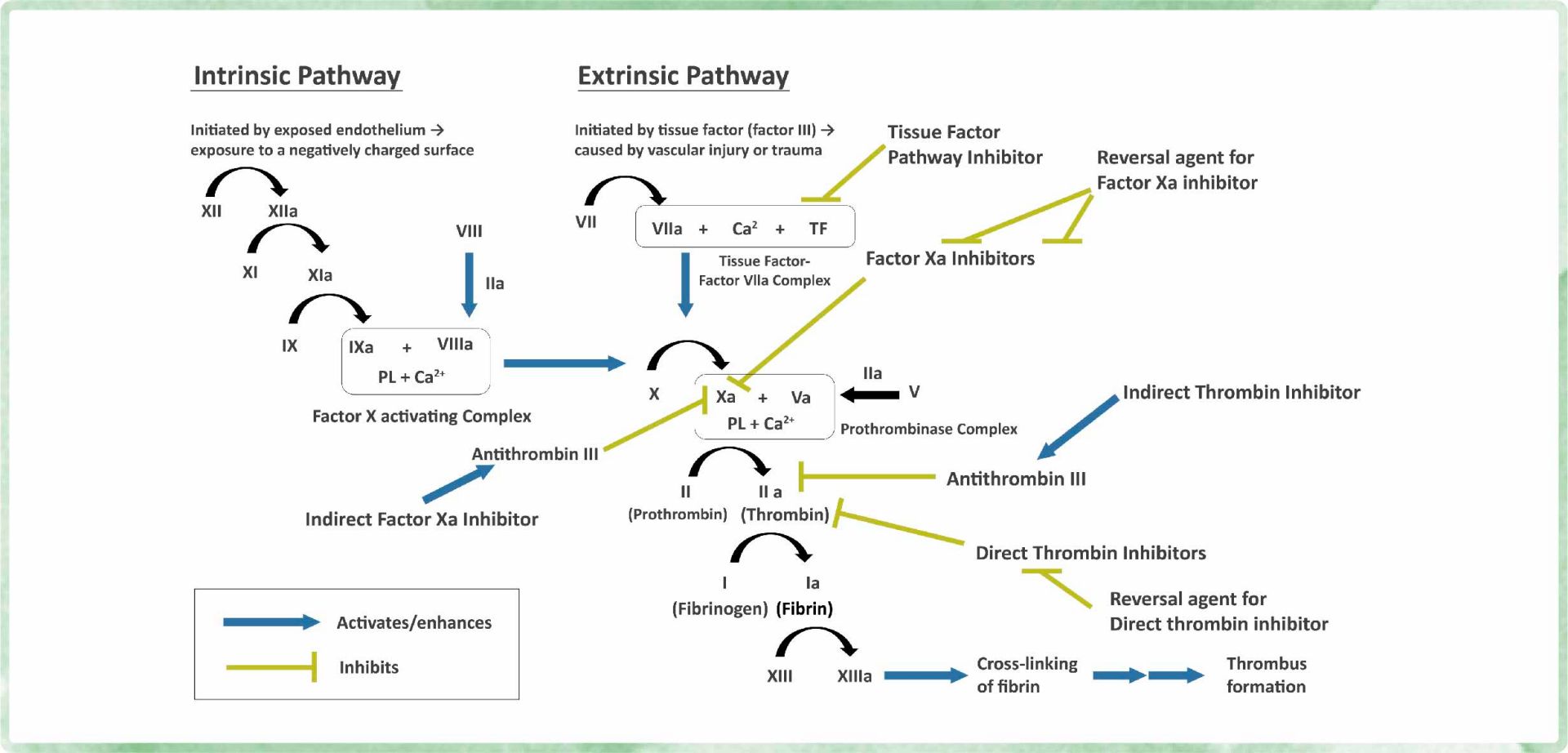
Various classes of active substances are available for anticoagulation: direct oral anticoagulants (DOACs) have quickly become an attractive alternative to the long-term standard for anticoagulation, vitamin K antagonists.4 Compared to vitamin K antagonists, DOACs are a convincing alternative as they offer a better benefit/risk ratio, a predictable effect without the need for routine laboratory tests and fewer interactions with food and drugs.5
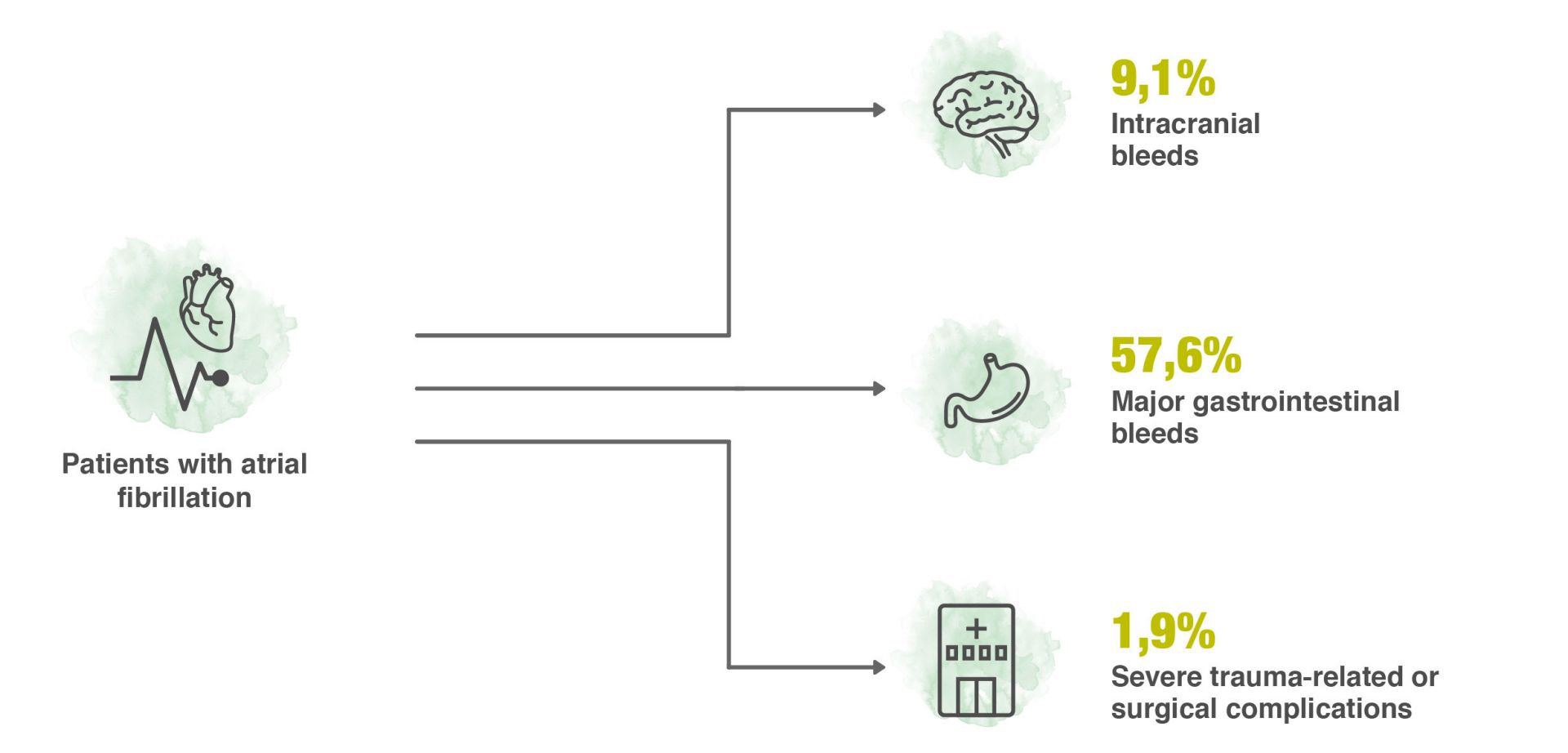
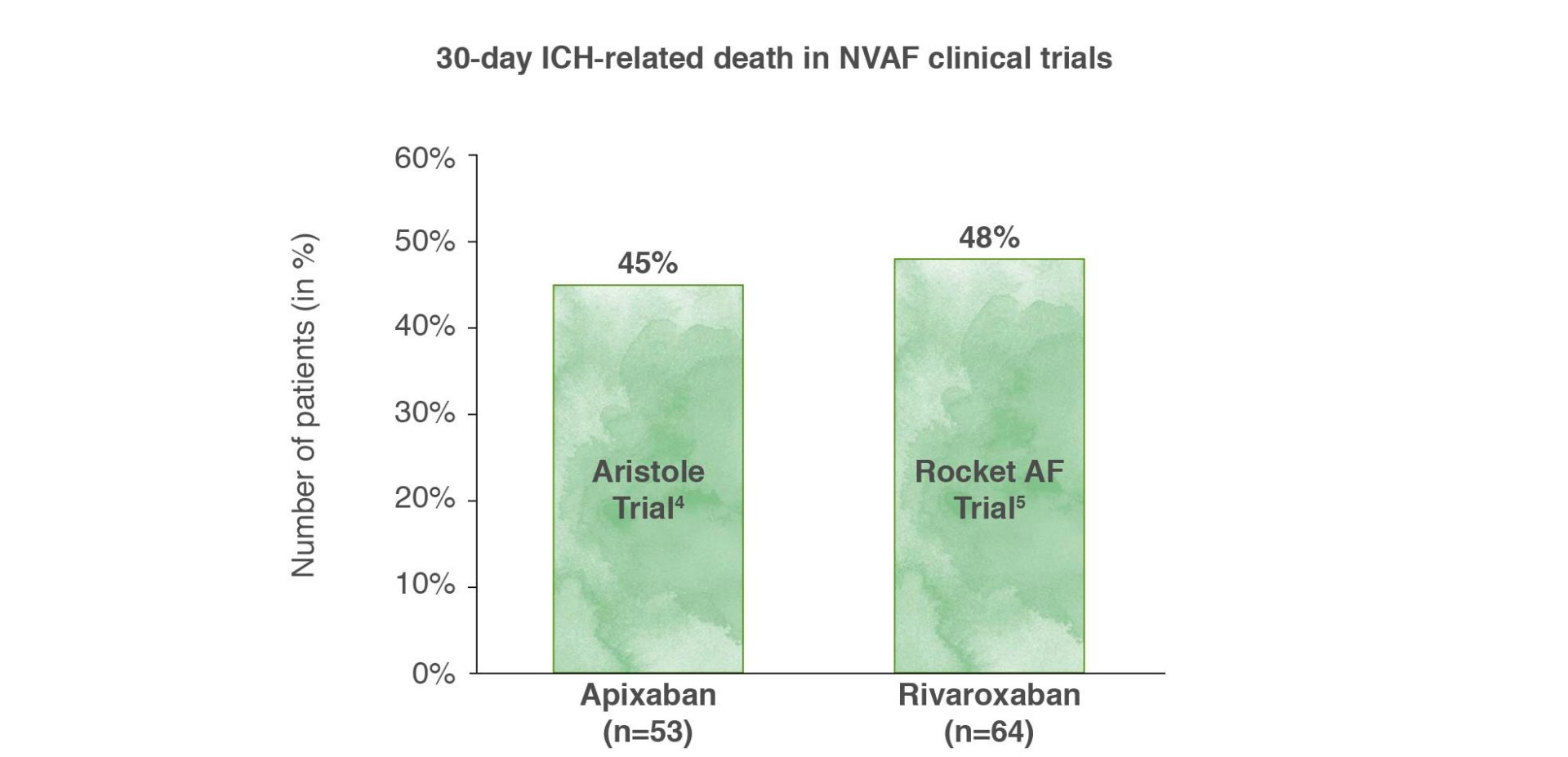
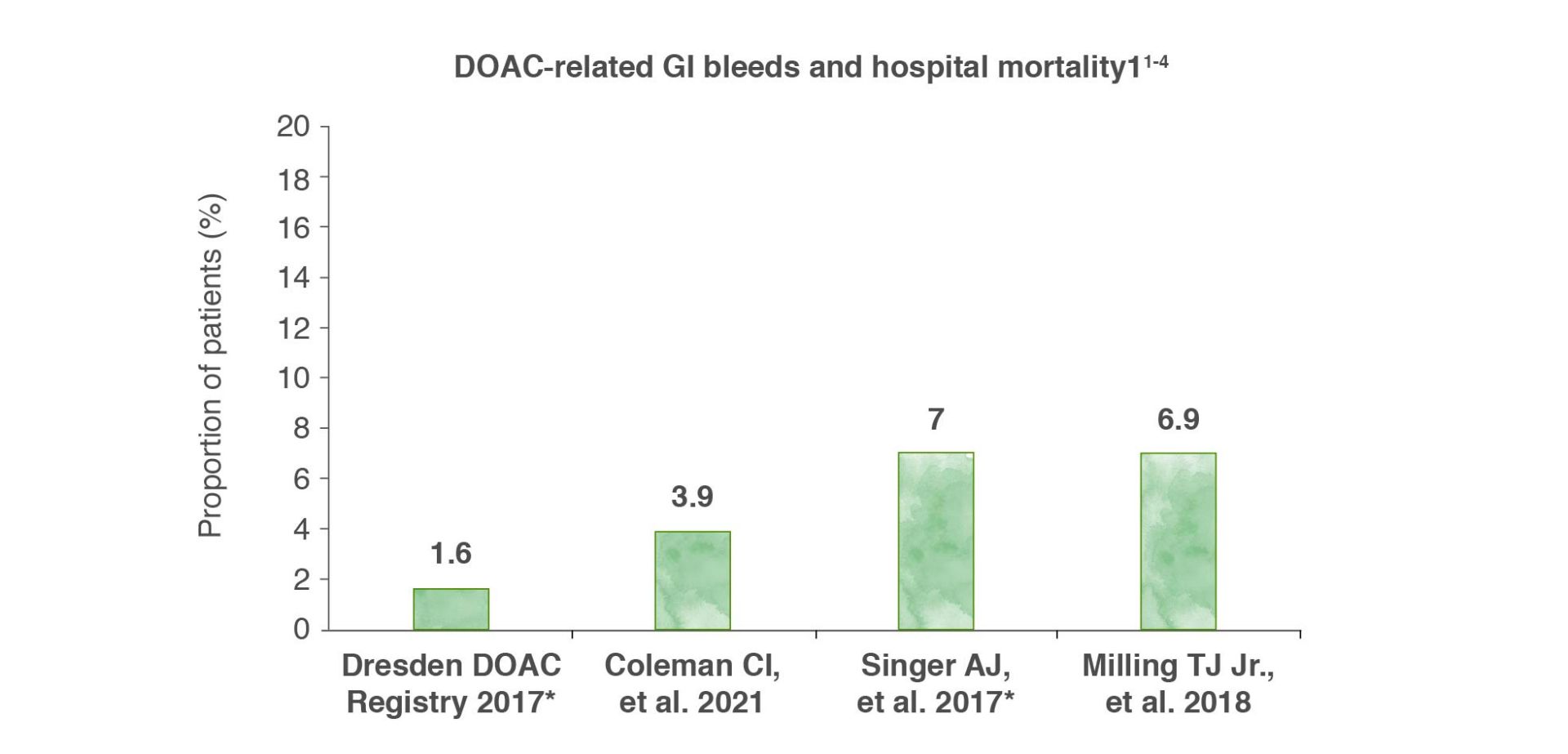
Despite the positive benefit/risk ratio for DOACs, major bleeds occur in around 2 to 3.5% of patients every year.6 The mortality rate after major DOAC-related bleeds is 17.7% and without the achievement of effective haemostasis, the mortality risk increases by a factor of 3.6.7